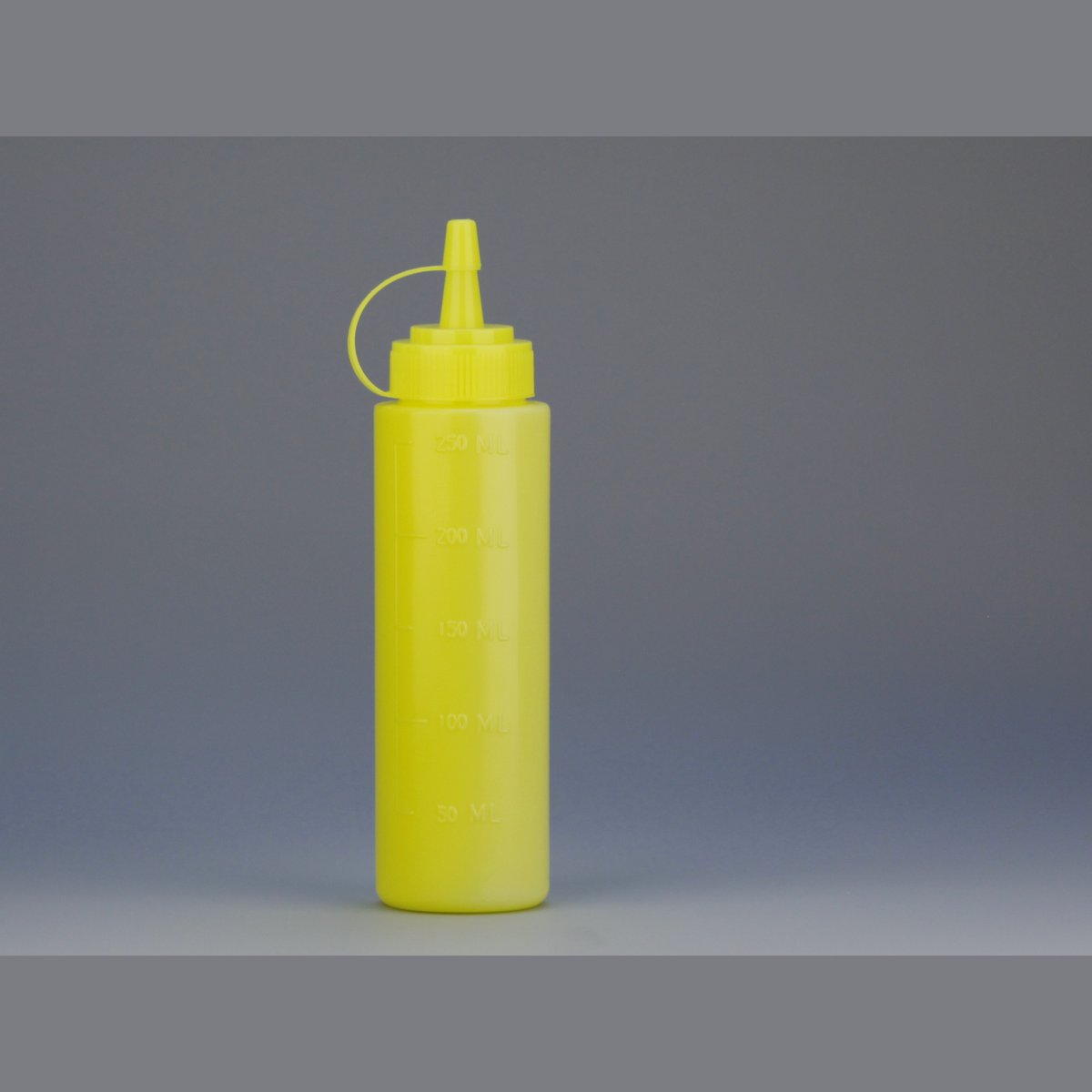
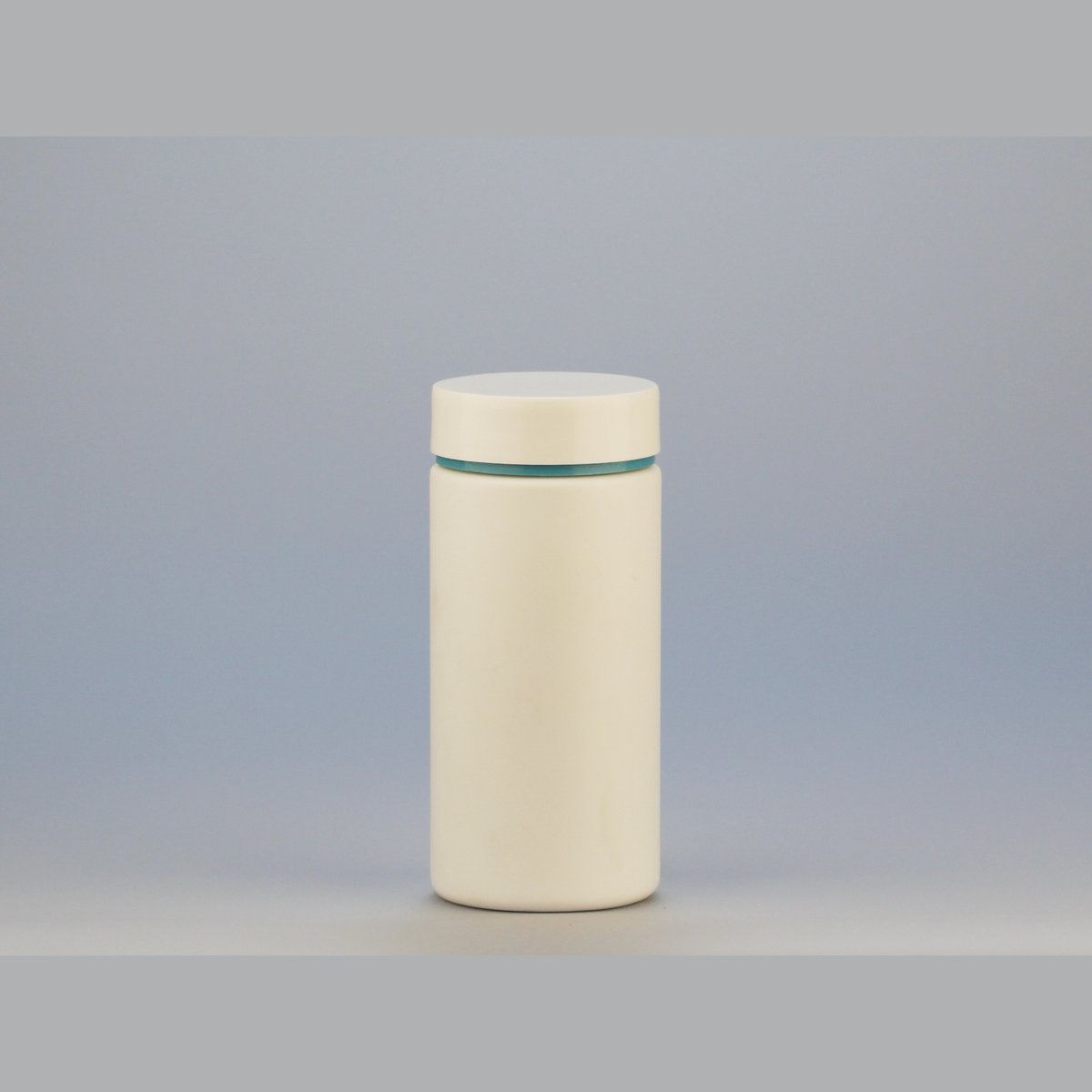
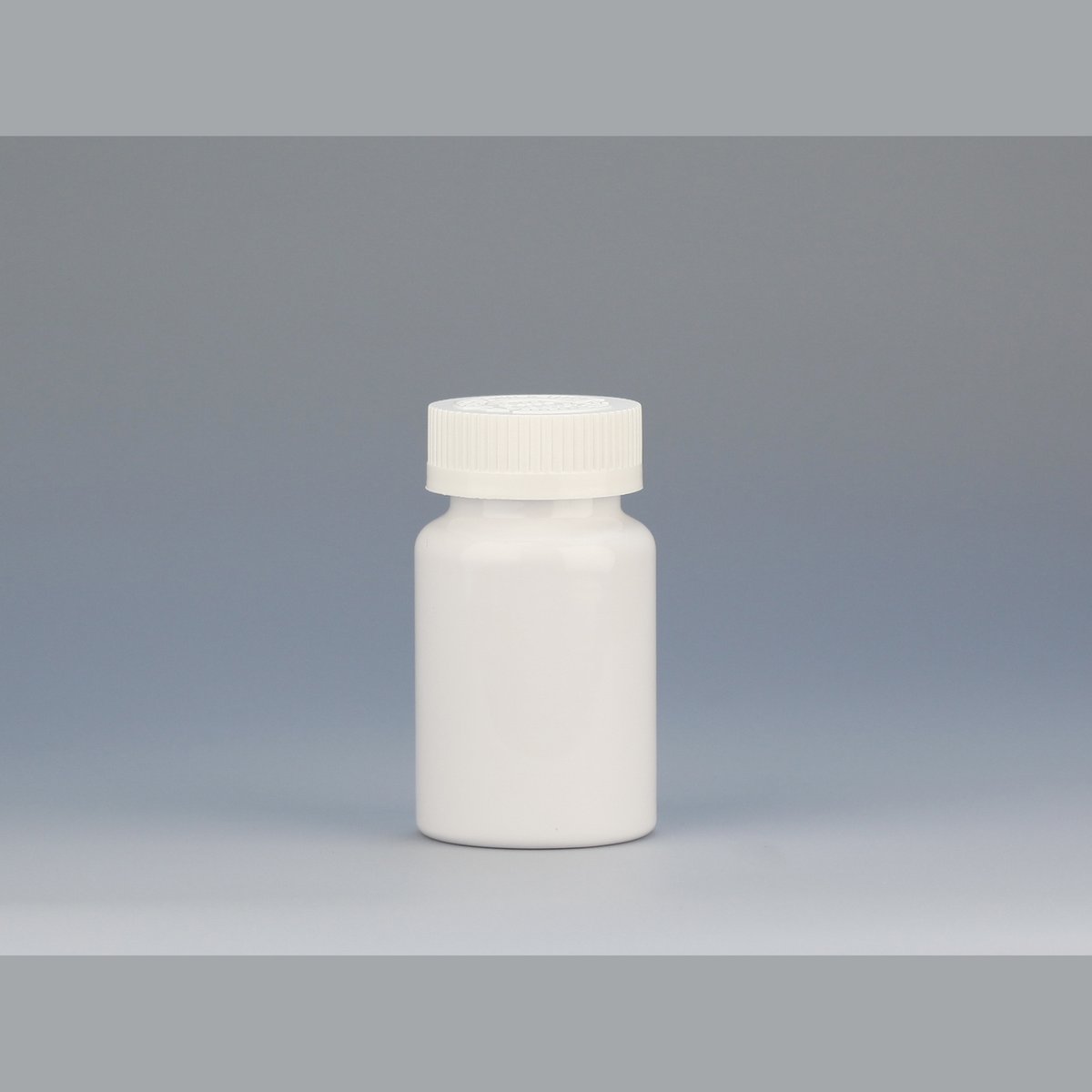
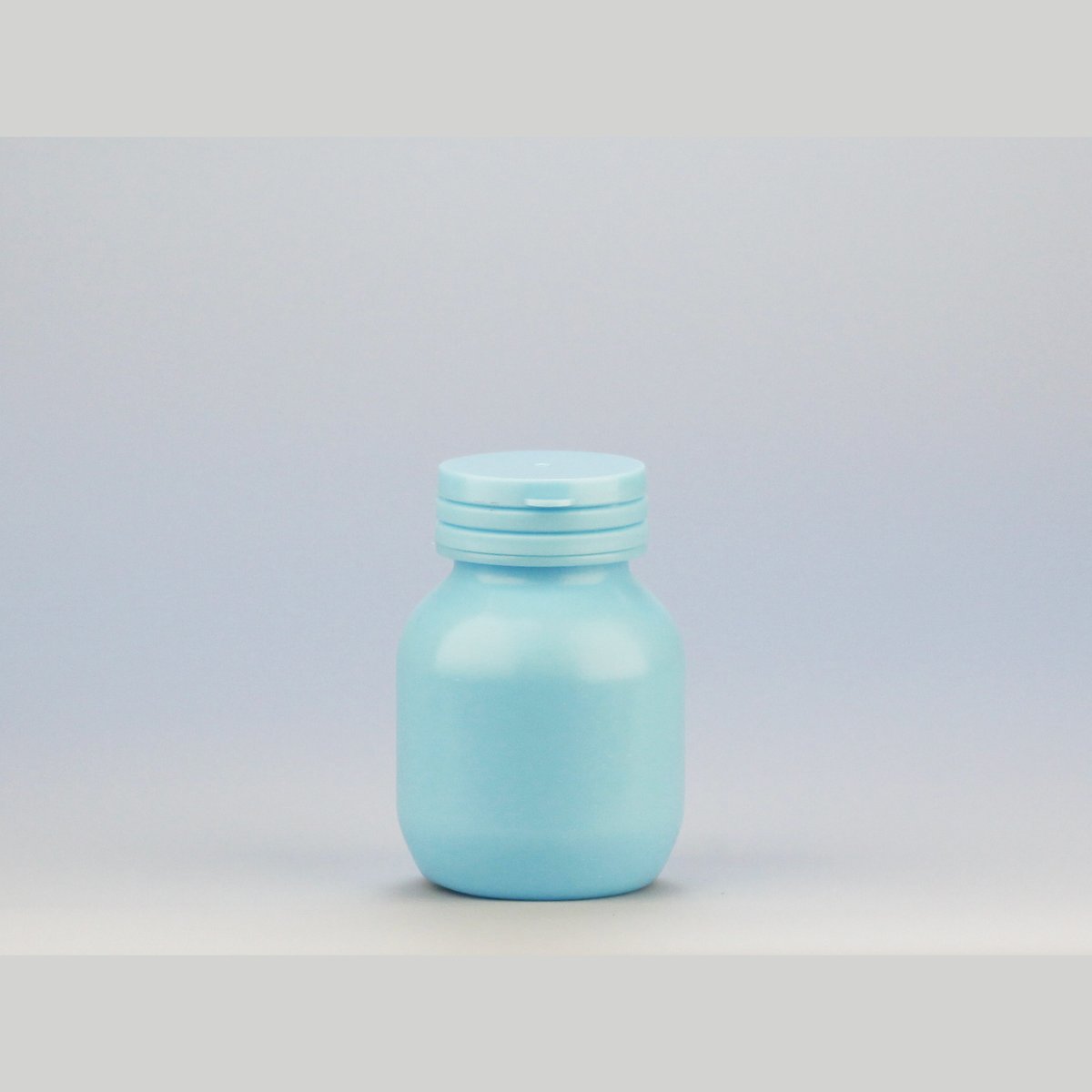
Range at a glance
- Capacity range – 30 ml to 946 ミリリットル
- Existing moulds – 51 HDPE bottle moulds
- Material and colour – Natural, white and coloured HDPE
- Closures available – Screw cap, flip-top cap, disc-top cap, pump, sprayer, measuring cap, child-resistant closure
- Typical contents – Supplements and capsules, OTC medicines, essential oils, lotions, sauces and condiments, liquid detergent, household chemicals
Why HDPE is chosen for bottles
HDPE (high-density polyethylene) is a semi-crystalline thermoplastic with a density of roughly 0.94–0.96 g/cm³. Its combination of properties is why it dominates household, personal-care and over-the-counter pharmaceutical packaging:
- Chemical resistance – HDPE resists most acids, alkalis, alcohols and household chemicals, so it suits detergent, cleaning and industrial liquids that would attack other plastics.
- Impact strength – it stays tough at low temperature and tolerates dropping and handling through the supply chain.
- Squeezability – thin-walled HDPE flexes and recovers, which is why sauces, gels and lotions are commonly packed in squeeze bottles with a twist or snap-top cap.
- Moisture barrier – water-vapour transmission is low, so dry and hygroscopic products such as capsules and powders keep their condition in storage.
- Opaque by default – natural HDPE is translucent rather than clear. If light protection matters, it is an advantage; if product visibility is required, PET is usually the better choice.
HDPE has no known solvent at room temperature, which is also why it is difficult to solvent-weld or glue – decoration is normally done by screen printing, hot stamping or labelling. Food-contact and pharmaceutical grades must be supported by the resin supplier's FDA 21 CFR 177.1520 and EU 10/2011 documentation; ask for these with your quotation if your market requires them.
HDPE bottle moulds in our range
These are representative items from the range, chosen to span the capacity bands most often requested by supplement, personal-care and household-product brands:
- 30ml HDPE Mini Bottle for Essential Oil
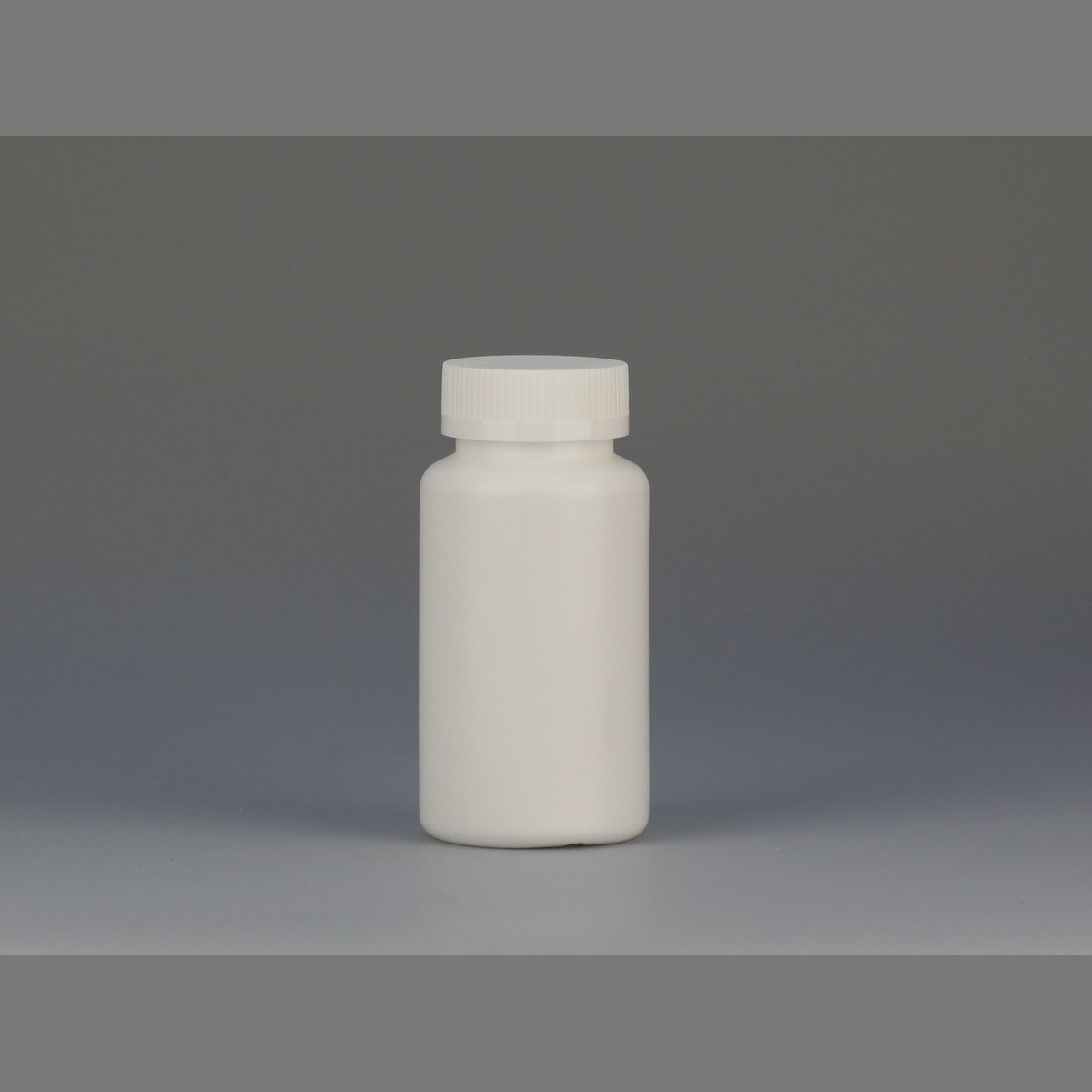
- 150ml HDPE Wide-Shoulder Bottle for Capsules
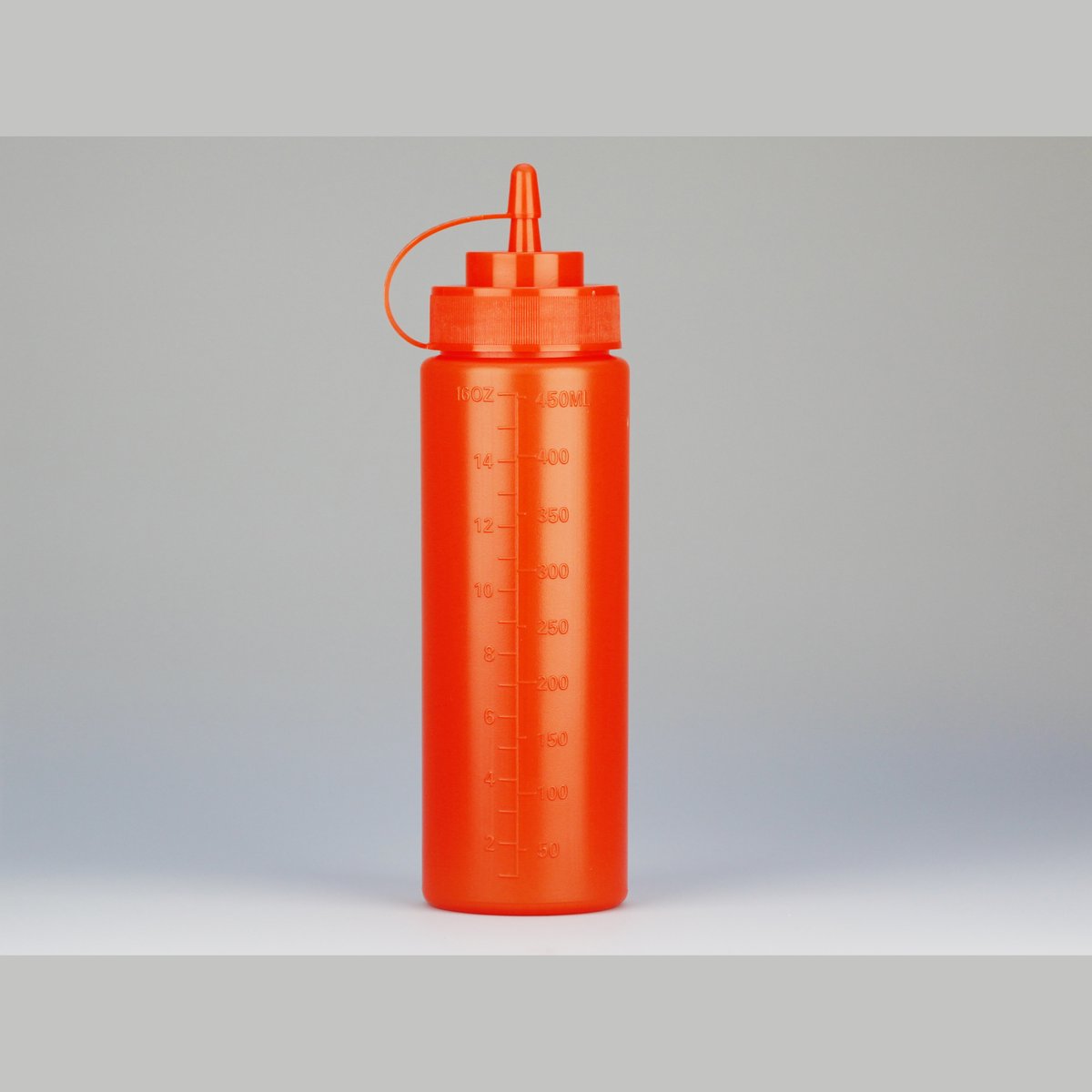
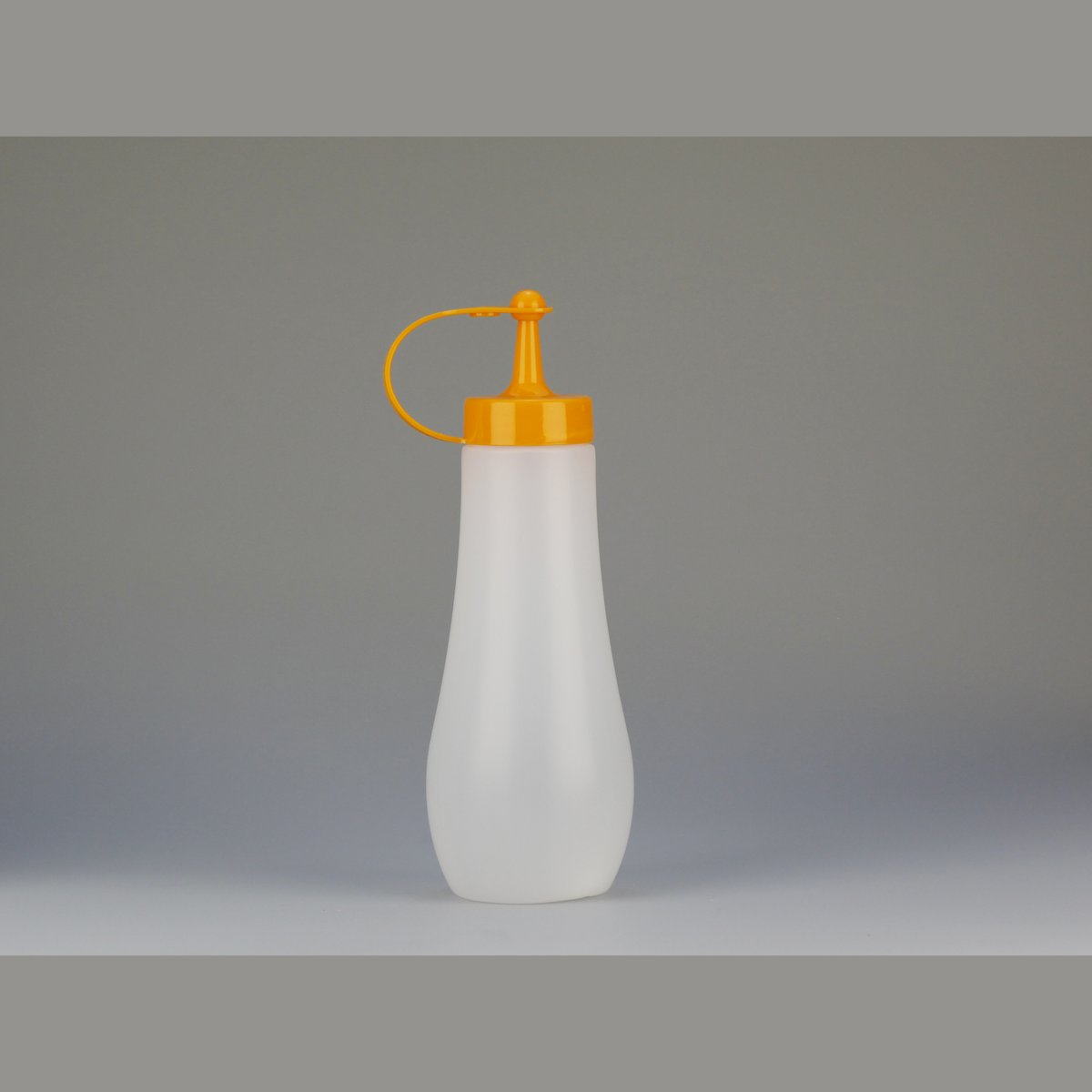
- 450ケチャップとソース用のml HDPEスクイズボトル
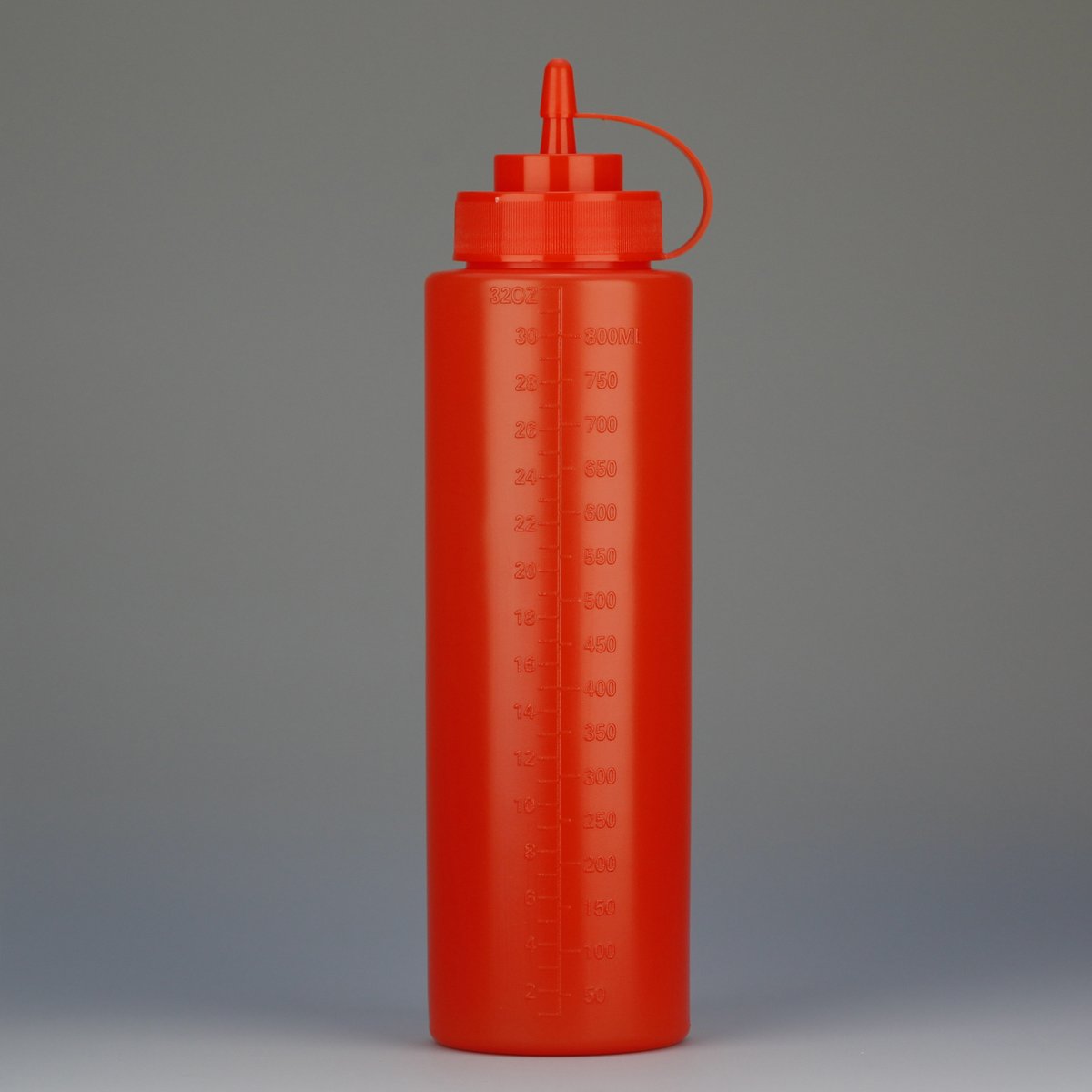
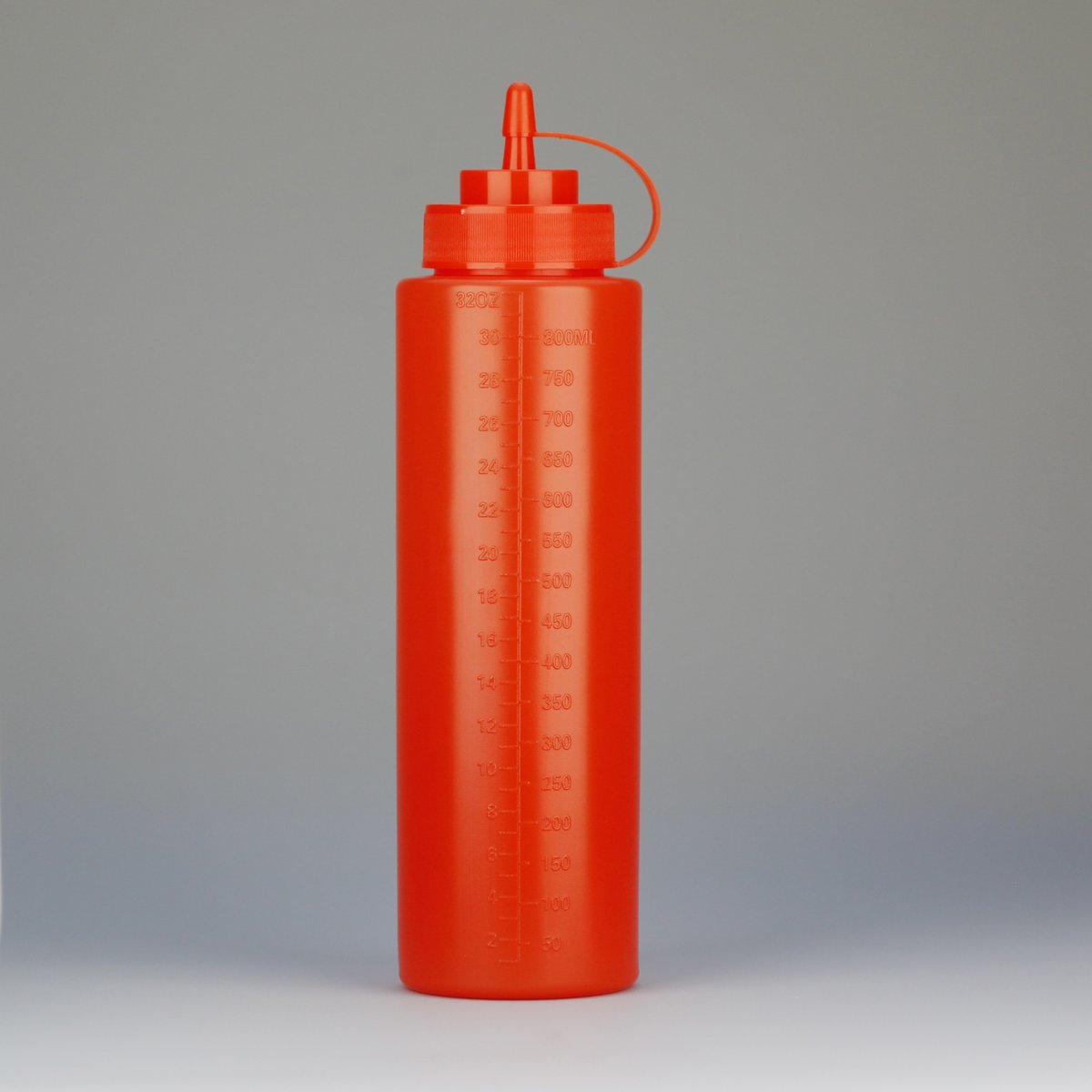
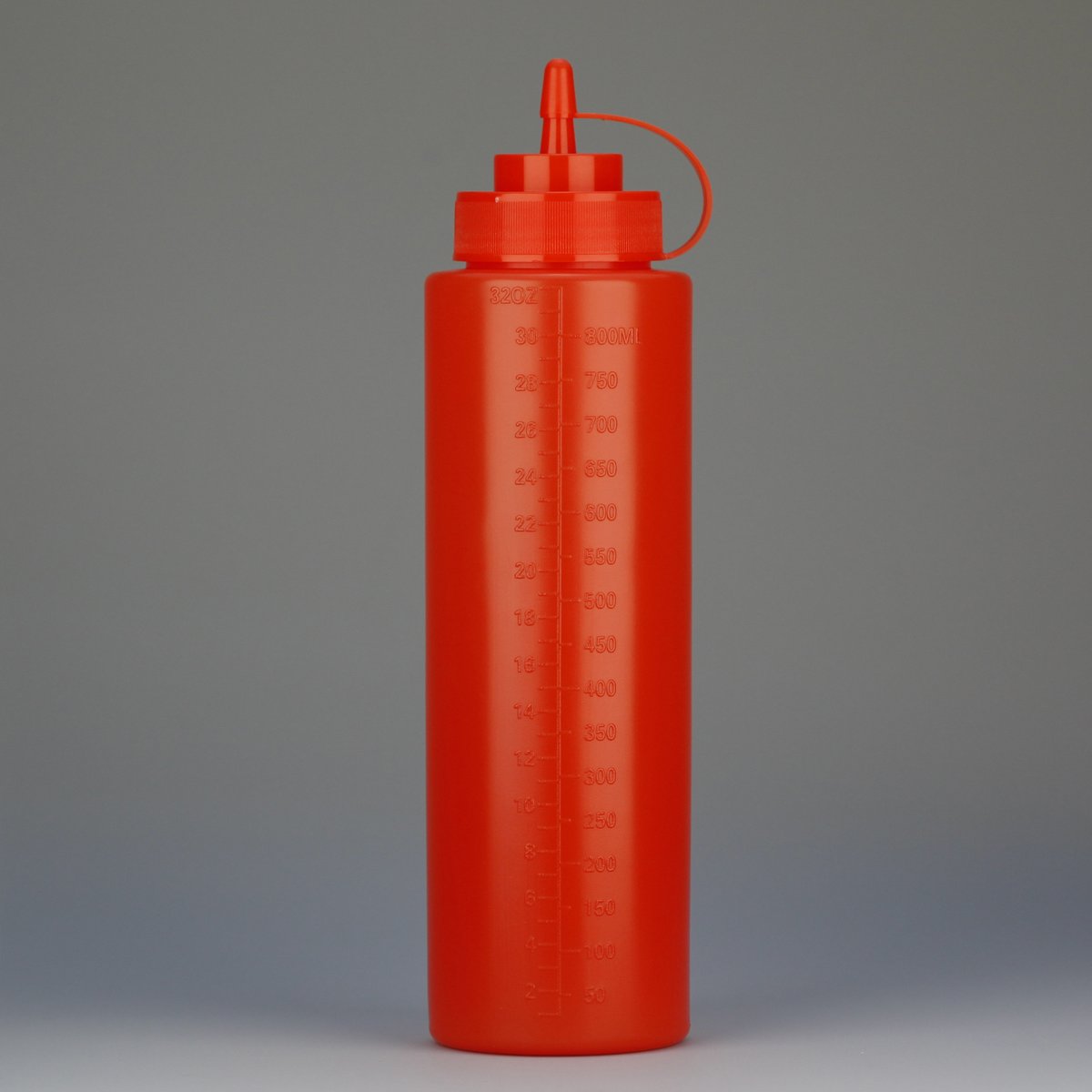
- 500食品包装用のml HDPEスクイズソースボトル
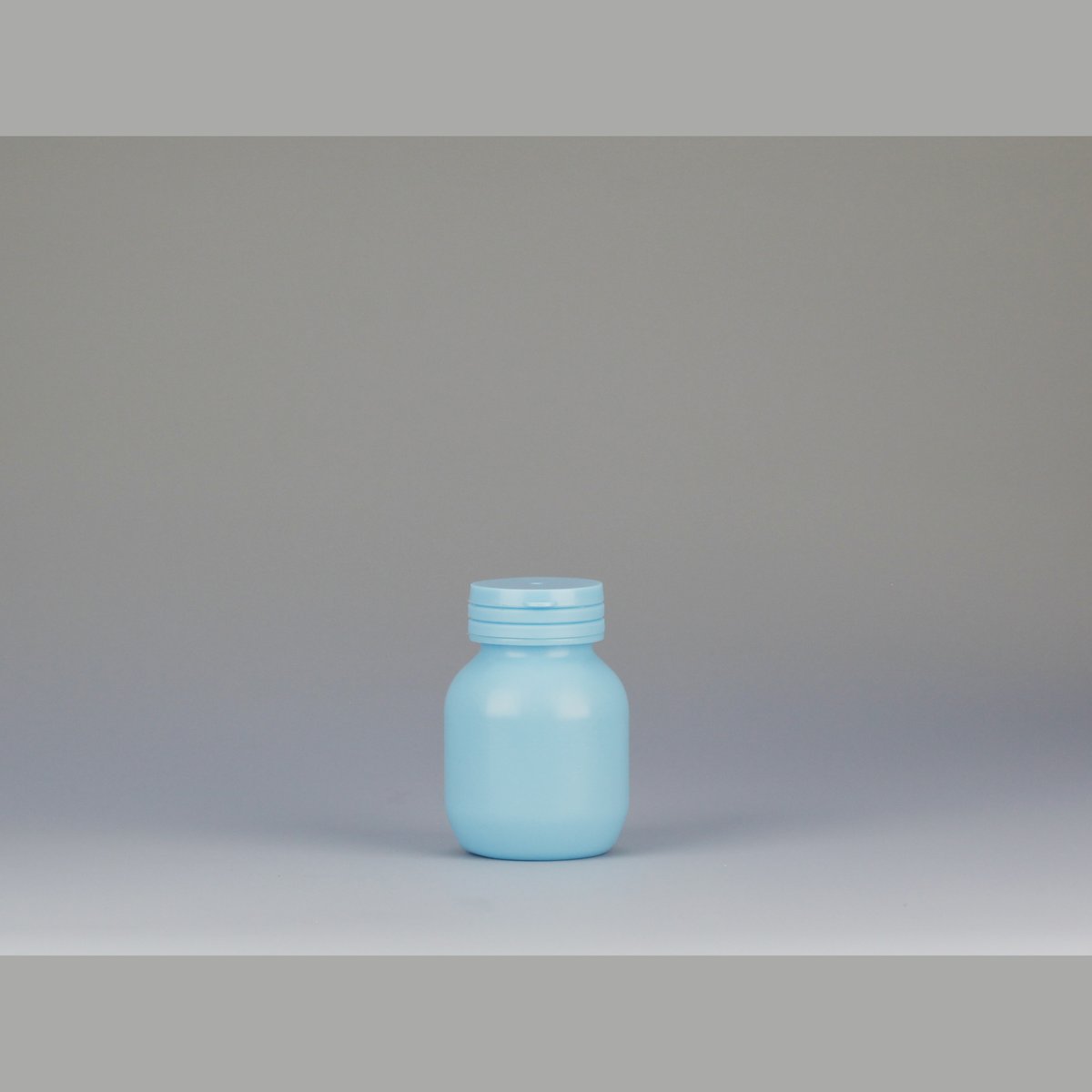
- 50ml HDPE Small Bottle for Pharmaceutical Use
- 120ml HDPE Child-Resistant Bottle for Medicine
- 250ツイストキャップ付きml HDPEスクイーズソースボトル
- 800ml HDPE Large Squeeze Bottle for Condiments
- 60ml HDPE Mini Bottle for Travel Size Products
- 100ml HDPE Bulb-Shaped Bottle for Liquid Supplements
- 300ml HDPE Curved Cosmetic Lotion Bottle for Skincare
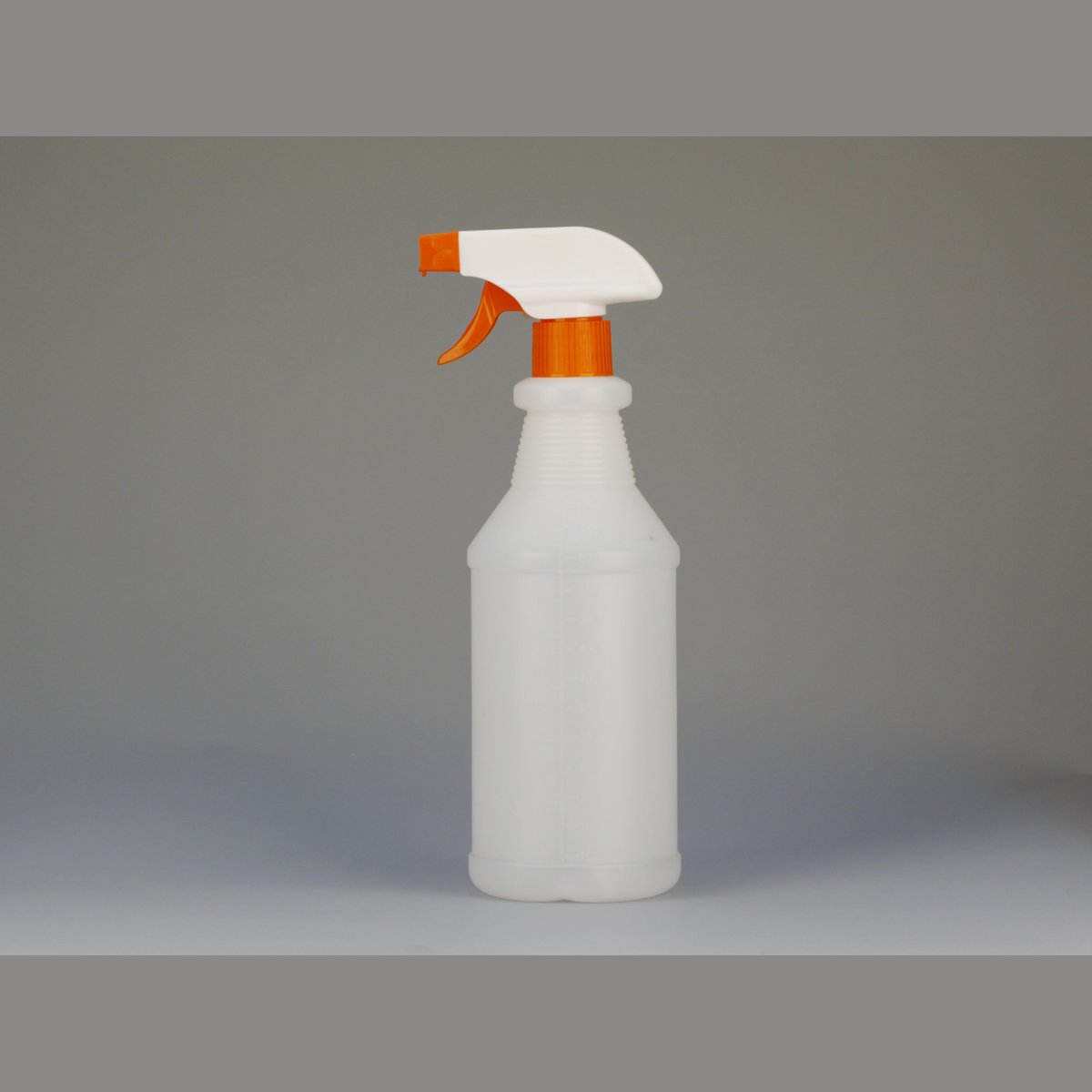
- 500ml HDPE Plastic Jug for Liquid Detergent
Every product page lists the neck finish, available closures and decoration options for that mould. If your target size is not in the list, the same bottle family can usually be tooled at an intermediate capacity.
How to specify an HDPE bottle
Six decisions determine whether an HDPE bottle works in production and in the market:
- Capacity and fill level – state the nominal fill volume, not the brim-full volume. Headspace affects dosing accuracy and whether the bottle looks full on shelf.
- ネック仕上げ – the neck is what the filling line and the closure actually interface with. Fix this first, because it constrains every closure option downstream.
- Wall thickness and weight – a thicker wall means a stiffer, heavier bottle; a thinner wall means easier squeezing. For squeeze applications the wall must be thin enough to flex without permanently deforming.
- Colour and opacity – natural, white, black and matched colours. Masterbatch colour must be food-contact compliant if the bottle is for food or drink.
- Closure and dispensing – screw cap, flip-top, disc-top, pump, sprayer or measuring cap. Dispensing choice drives the neck specification, not the other way round.
- Decoration – screen print, hot stamp, shrink sleeve or label. Confirm which surface finish the artwork needs before tooling.
Applications we supply
Current HDPE moulds serve supplements and nutraceuticals, over-the-counter medicines, パーソナルケア, household cleaning, and food service. Typical pairings in the range include essential-oil mini bottles, wide-shoulder capsule bottles, child-resistant medicine bottles, bulb-shaped liquid-supplement bottles, curved lotion bottles, sauce and condiment squeeze bottles, and detergent jugs.
What we check before shipment
Release checks on HDPE bottles normally cover dimensional accuracy against the drawing, capacity by weight of water, wall-thickness distribution at the shoulder and base, ネックフィニッシュ, cap torque and seal integrity, colour consistency against the approved sample, and print or label registration. Destructive sampling is used where a test cannot be done non-destructively. The specific inspection plan is agreed with the buyer before the run starts.
Frequently asked questions
Can you make HDPE bottles in a size that is not in your catalogue?
Yes. The moulds listed here are existing tooling that can be produced without tooling cost. A new capacity, shoulder profile or neck finish requires a new mould or a modification of an existing one, which is quoted separately from the bottle price.
Is HDPE food safe?
HDPE is widely used for food-contact packaging, but food safety is a property of the specific resin grade and colourant, not of the polymer family. Ask for the resin supplier's FDA 21 CFR 177.1520 and EU 10/2011 declarations for the exact grade you plan to use, including any masterbatch.
Why do HDPE bottles look cloudy rather than clear?
HDPE crystallises as it cools, and the crystal structure scatters light. Natural HDPE is therefore translucent, not transparent. If you need to see the product through the bottle, PET or clarified PP is the appropriate material.
What is the difference between HDPE and PP for bottles?
Both are chemically resistant and opaque-capable. PP has a higher melting point and better clarity when clarified, so it is often chosen for hot-fill and for jars that need to show the product. HDPE is tougher, more flexible and generally better for squeeze bottles and large jugs.
Can HDPE bottles be recycled?
HDPE carries resin identification code 2 and is one of the more widely recycled plastics. Post-consumer recycled HDPE is available for non-food applications and, with the correct documentation, for some food-contact uses depending on your market's rules.
How do I get a quotation for a custom HDPE bottle?
Send the capacity, application, neck finish or closure type, target quantity, colour and artwork requirements. With those details we can recommend the closest existing mould or confirm what a new one would involve.
 WeChat ID